
Few novels in history have achieved the legendary reputation of Don Quixote. Written by Miguel de Cervantes and first published in the early 17th century, the book is often described as the first modern novel ever written. For centuries, critics, writers, and readers have praised it as one of the greatest literary works of all time. But for many modern readers, one question still remains: is Don Quixote actually a good book to read today?
That question is understandable. Classics can sometimes feel intimidating. Many readers worry that older novels will be slow, difficult, or impossible to connect with emotionally. A book written more than 400 years ago might sound more like homework than entertainment. Yet Don Quixote continues to surprise people precisely because it does not feel as ancient as they expect.
Beneath its historical importance lies a story filled with humor, absurd adventures, memorable characters, and surprisingly modern themes. The novel follows an aging man so obsessed with tales of knights and heroic adventures that he decides to become a wandering knight himself, despite living in a world where such things no longer exist. What follows is both hilarious and strangely emotional — a story about imagination, idealism, fantasy, failure, and the human need to believe in something greater than ordinary life.
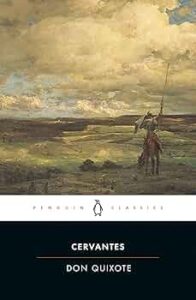
One of the reasons the novel remains so beloved is the balance it creates between comedy and tragedy. At first, many readers laugh at Don Quixote’s delusions and impossible ambitions. But as the story progresses, the novel slowly reveals something deeper and more human beneath the absurdity. Cervantes turns what could have been a simple parody into a surprisingly thoughtful exploration of dreams, loneliness, and the conflict between reality and imagination.
Even today, countless readers are shocked by how funny and readable the novel still feels. Its satire, witty dialogue, and bizarre situations often feel closer to modern storytelling than people expect from a centuries-old classic. At the same time, the book’s emotional depth and philosophical themes help explain why it has remained influential for so long.
So, is Don Quixote a good book? The short answer is yes — but not only because it is historically important. It remains worth reading because it still manages to entertain, challenge, and emotionally resonate with readers hundreds of years after it was written.
What Is Don Quixote About?
At its core, Don Quixote tells the story of a man who becomes so consumed by fantasy literature that he begins to confuse fiction with reality. The novel follows Alonso Quixano, a middle-aged gentleman from the Spanish region of La Mancha who spends countless hours reading books about knights, heroic battles, dragons, and medieval adventures. Over time, these stories completely reshape the way he sees the world.
Eventually, Quixano decides that ordinary life is no longer enough. Inspired by the heroes of the books he admires, he reinvents himself as Don Quixote de la Mancha, a self-proclaimed wandering knight determined to revive chivalry and defend justice across the land. Armed with rusty armor, an old horse named Rocinante, and limitless confidence, he sets out in search of adventure.
The problem, of course, is that the world around him does not resemble the romantic tales living inside his imagination.
Simple inns become magnificent castles in his eyes. Ordinary peasants appear to him as noble ladies. Travelers, merchants, and even harmless objects are transformed into dangerous enemies or legendary figures. The most famous example occurs when Don Quixote mistakes a group of windmills for giant monsters and charges toward them heroically — one of the most iconic scenes in literary history.
Soon, Don Quixote is joined by Sancho Panza, a practical and good-hearted farmer who becomes his loyal squire. Their relationship quickly becomes one of the greatest strengths of the novel. While Don Quixote sees the world through fantasy and idealism, Sancho constantly tries to pull him back toward reality. The contrast between the two creates much of the book’s humor, but it also gives the story surprising emotional depth.
What makes the novel especially interesting is that Cervantes never treats Don Quixote as merely ridiculous. Yes, many of his adventures are absurd and disastrous, but beneath the comedy there is also admiration for his courage, imagination, and refusal to accept a dull, meaningless existence. Readers often find themselves laughing at him while also sympathizing with him.
Although the novel is full of comedy and episodic adventures, it gradually becomes something much larger than a parody of knight stories. It transforms into a reflection on human dreams, the power of imagination, and the painful gap between how we wish the world worked and how it truly does.
Why Don Quixote Is Still Considered a Masterpiece
It Created the Modern Novel
One of the main reasons Don Quixote remains so respected is because it fundamentally changed the way stories could be written. Before Cervantes, many popular narratives focused heavily on simple heroes, idealized adventures, and straightforward storytelling. Don Quixote broke away from that tradition by introducing characters who felt psychologically complex, contradictory, and deeply human.
Cervantes created a protagonist who is simultaneously foolish and wise, ridiculous and admirable. Don Quixote is not simply a heroic knight or a comedic parody — he is both at the same time. This complexity made the novel feel far more realistic and emotionally layered than many stories that came before it.
The book also experimented with narrative techniques that would later become common in modern literature:
- self-aware storytelling
- stories within stories
- unreliable narration
- characters discussing books and fiction itself
- blending comedy with serious philosophical themes
Many literary scholars consider this one of the first novels to portray characters with genuine psychological depth rather than symbolic or purely heroic personalities. That influence can still be seen in modern fiction centuries later.
The Humor Still Works Today
Many people approach Don Quixote expecting a dry and difficult classic, only to discover that the novel is often genuinely funny. Cervantes fills the story with absurd misunderstandings, physical comedy, sharp satire, and witty dialogue that still feel surprisingly modern.
Some scenes almost resemble modern comedy routines. Don Quixote’s complete confidence in his imaginary world constantly clashes with reality in ways that create both chaos and hilarity. He charges into situations believing himself to be a noble hero, while everyone around him sees only confusion and disaster unfolding.
The comedy works because Cervantes understands human behavior so well. The humor is not based only on slapstick moments, but also on personality clashes, social satire, pride, delusion, and the strange logic people use to defend their beliefs even when reality clearly disagrees with them.
Even readers who normally struggle with older literature often admit they are surprised by how entertaining the novel can be. The dialogue between Don Quixote and Sancho Panza especially remains one of the book’s greatest strengths, balancing ridiculous comedy with moments of genuine warmth and intelligence.
The Relationship Between Don Quixote and Sancho Panza
At the emotional center of the novel is the unforgettable partnership between Don Quixote and Sancho Panza. Much of the story’s charm comes from the contrast between the two characters.
Don Quixote represents impossible idealism. He wants the world to be noble, heroic, and meaningful. Sancho Panza, on the other hand, is practical, skeptical, and focused on everyday survival. He often recognizes the absurdity of their adventures, yet he continues following Don Quixote anyway.
Their relationship gradually evolves beyond simple comedy. Over time, the two men begin influencing each other in unexpected ways:
- Sancho slowly becomes more imaginative and hopeful
- Don Quixote occasionally becomes more self-aware
- their friendship develops genuine loyalty and affection
This balance between realism and idealism gives the novel much of its emotional power. Cervantes suggests that while fantasy can sometimes lead people away from reality, imagination and dreams may also give life meaning and beauty.
Its Themes Still Feel Modern
Despite being written over 400 years ago, many of the novel’s themes still feel remarkably relevant today. At its heart, Don Quixote explores questions that remain deeply human:
- How much fantasy do people need to survive reality?
- Is it foolish to pursue impossible dreams?
- Can imagination make life more meaningful?
- What happens when reality destroys idealism?
Modern readers can easily recognize these struggles. People still escape into fiction, movies, games, and fantasies to cope with ordinary life. Many still wrestle with the tension between idealism and cynicism, hope and disappointment, imagination and reality.
That is one reason the novel continues to endure. Beneath its comedy and historical importance lies a deeply human story about the need to believe that life can be more magical, meaningful, and heroic than the world often allows it to be.
What Makes Don Quixote Difficult for Some Readers?
The Length and Episodic Structure
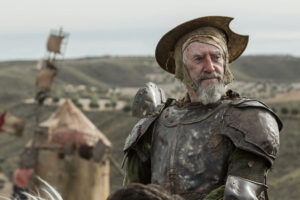
Although Don Quixote is widely praised as a masterpiece, it is not a perfect fit for every reader. One of the most common difficulties people mention is the novel’s length. Depending on the translation and edition, the book can easily exceed 900 pages, making it a significant commitment compared to most modern novels.
The structure of the story can also feel unusual to readers accustomed to fast-paced contemporary fiction. Rather than following a tightly focused plot from beginning to end, the novel unfolds through a series of episodic adventures. Don Quixote and Sancho Panza travel from place to place, encountering different people, conflicts, misunderstandings, and comedic disasters along the way.
Some readers enjoy this wandering structure because it makes the novel feel unpredictable and alive. Others may occasionally feel that certain episodes repeat similar ideas or slow down the momentum of the story.
This is partly because Cervantes was parodying the popular knight-errant stories of his time, which often followed similar adventure-based formats. Modern readers expecting a highly streamlined narrative may therefore need some patience during certain sections of the novel.
Some Parts Feel Slower Than Others
Another honest criticism often mentioned by readers is that the pacing is inconsistent. Some chapters are extremely funny and engaging, while others become more reflective, dialogue-heavy, or focused on side stories involving secondary characters.
There are moments where the novel feels energetic and chaotic, filled with ridiculous encounters and comedic misunderstandings. Then there are sections where Cervantes pauses the main adventure to explore philosophical conversations, romantic subplots, or stories told by other characters.
For some readers, this variety adds richness and realism to the novel. For others, it can occasionally feel distracting or slower than expected.
However, many people who finish the book later realize that this shifting rhythm contributes to the story’s unique atmosphere. The novel often feels less like a modern action-driven plot and more like a long journey through different aspects of human behavior, society, and imagination.
The Translation Matters a Lot
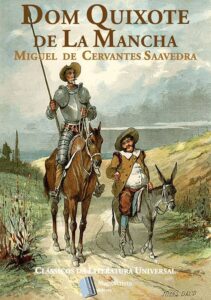
One factor that dramatically affects the reading experience is the translation. Since Don Quixote was originally written in early modern Spanish, different English translations can feel very different from one another.
Some older translations preserve archaic language very closely, which may make the novel feel more difficult and distant for modern readers. Others use more accessible language while still maintaining Cervantes’ humor, personality, and literary style.
Because of this, many readers who initially disliked the novel later discovered they simply had the wrong translation for their tastes.
Popular modern translations by translators such as:
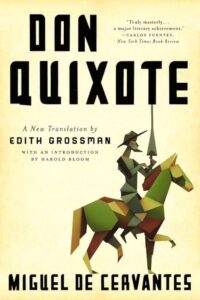
- Edith Grossman
- John Rutherford
- Tobias Smollett
are often recommended for first-time readers because they balance readability with the spirit of the original text.
Choosing a translation that feels comfortable and engaging can make an enormous difference in how enjoyable the novel becomes.
Explore the Dark Genius of Dostoevsky
If the philosophical themes and emotional depth of Don Quixote fascinated you, then diving into the works of Fyodor Dostoevsky might be your next unforgettable literary journey.
From the crushing guilt of Crime and Punishment to the spiritual and psychological conflicts of The Brothers Karamazov, Dostoevsky created some of the most intense and influential novels ever written. His stories explore morality, suffering, faith, isolation, and the hidden contradictions of human nature with a depth few authors have ever matched.
Whether you are completely new to Russian literature or searching for the best place to start, this guide will help you discover Dostoevsky’s most essential works and why readers still become obsessed with them more than a century later.
Read: Best Fyodor Dostoevsky Books
Why Many Readers End Up Loving Don Quixote
Many people begin reading Don Quixote with hesitation. They expect a difficult academic classic that must be endured rather than enjoyed. Yet one of the most common reactions from readers who finish the novel is surprise — surprise at how funny, emotional, thoughtful, and strangely human the story feels.
Part of this comes from the way Cervantes gradually transforms the tone of the novel. In the beginning, the story often feels like pure comedy. Don Quixote’s delusions create ridiculous situations that invite readers to laugh at his failures and misunderstandings. But as the novel progresses, something unexpected happens: the comedy slowly becomes more melancholic and emotionally complex.
Readers begin to realize that Don Quixote is not simply insane or foolish. Beneath his absurd fantasies is a man desperately trying to give meaning and beauty to a disappointing world. His refusal to abandon idealism, even when reality humiliates him repeatedly, becomes strangely admirable.
That emotional shift is one of the reasons the novel leaves such a lasting impression. What starts as a parody eventually becomes a deeply human story about dreams, aging, loneliness, hope, and disillusionment.
The friendship between Don Quixote and Sancho Panza also plays a huge role in why readers become attached to the novel. Their relationship evolves naturally throughout the story:
- they argue constantly
- they misunderstand each other
- they frustrate one another
- yet they remain loyal companions
Over time, their conversations become some of the most memorable parts of the book. Sancho’s practicality balances Don Quixote’s idealism, while Don Quixote’s imagination slowly influences Sancho in return. Their bond gives the novel emotional warmth that many readers do not expect from such an old work of literature.
Another reason people continue loving the novel is how alive it feels despite its age. Cervantes understood human nature so well that many scenes still feel recognizable centuries later. Pride, escapism, obsession, ambition, denial, optimism, and disappointment all appear in ways that remain emotionally believable even for modern audiences.
The novel also rewards patience. Readers who push past the intimidating reputation of the book often discover moments of genuine brilliance:
- sharp social satire
- unexpected philosophical insight
- absurdly funny situations
- surprisingly emotional scenes
- characters that feel timeless
By the final sections of the story, many readers find themselves emotionally attached to Don Quixote in a way they never anticipated at the beginning. The novel stops being simply “an important classic” and becomes something far more personal — a reflection on the beauty and tragedy of believing in impossible ideals.
Who Should Read Don Quixote?
You’ll Probably Love It If You Enjoy:
Although Don Quixote may not appeal to every type of reader, it can become an unforgettable experience for people who enjoy character-driven and thoughtful literature. Readers who appreciate stories filled with humor, philosophy, and emotional complexity often find themselves deeply connected to the novel.
You will probably enjoy Don Quixote if you like:
- classic literature with historical importance and lasting influence
- philosophical fiction that explores human nature and idealism
- satirical stories that mock society and human behavior
- character-focused novels centered on memorable personalities
- stories about dreamers and outsiders
- books that mix comedy and melancholy
- slow, reflective storytelling with emotional depth
Readers who enjoy authors such as Fyodor Dostoevsky, Charles Dickens, Mark Twain, or even modern literary fiction may discover a surprising connection with Cervantes’ style and themes.
The novel is especially rewarding for readers who enjoy watching relationships evolve naturally over time. The dynamic between Don Quixote and Sancho Panza remains one of the greatest literary partnerships ever written.
You May Struggle With It If:
At the same time, it is important to be honest: Don Quixote can feel challenging for some readers, especially those expecting a fast-moving modern adventure novel.
You may struggle with the book if:
- you strongly prefer fast-paced plots
- you dislike long novels
- you want constant action or suspense
- you become impatient with slower sections
- you dislike older literary styles
- you prefer highly focused narratives without side stories
Because the novel was written centuries ago, its structure and pacing differ significantly from modern storytelling conventions. Some chapters are energetic and hilarious, while others become more reflective or dialogue-heavy.
However, many readers who initially struggle with the book eventually find themselves becoming attached to its atmosphere, humor, and emotional depth once they adjust to its rhythm.
In many ways, Don Quixote is less enjoyable when approached like a modern thriller and more rewarding when treated as a long literary journey filled with ideas, personalities, and moments of both comedy and sadness.
Who Was Miguel de Cervantes?
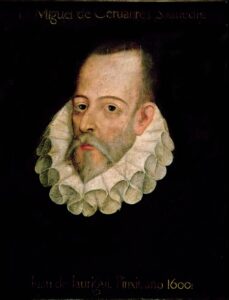
Miguel de Cervantes was a Spanish writer widely regarded as one of the most important authors in literary history. Born in 1547 in Alcalá de Henares, Spain, Cervantes lived during a period of enormous political, religious, and cultural change in Europe. Although he would later create one of the most celebrated novels ever written, his personal life was often marked by hardship, instability, and financial struggles.
Before becoming famous as a writer, Cervantes served as a soldier in the Spanish navy. One of the defining moments of his life occurred during the Battle of Lepanto in 1571, where he fought against the Ottoman Empire. During the battle, he suffered severe injuries that permanently damaged the use of his left hand, leading him to later be called “the one-handed man of Lepanto.”
His life became even more difficult a few years later when he was captured by pirates while traveling home to Spain. Cervantes spent nearly five years imprisoned in Algiers before finally being ransomed and returning to his country. These experiences with war, captivity, poverty, and survival would later influence the realism and humanity found throughout his writing.
Despite his literary talent, Cervantes struggled financially for much of his life. He worked in various government-related jobs, including tax collection, and reportedly faced debt problems and periods of imprisonment. Unlike many legendary authors remembered today, Cervantes did not live a life of wealth or comfort.
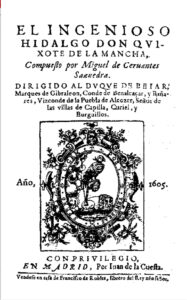
In 1605, he published the first part of Don Quixote, which quickly became enormously popular. The second part followed in 1615. Together, these books transformed literature forever and secured Cervantes’ place as one of the foundational figures of the modern novel.
What makes Cervantes especially remarkable is the way he combined humor, realism, philosophy, and emotional complexity into a single story. Don Quixote was originally intended partly as a parody of medieval knight stories, but it evolved into something much larger and more profound — a deeply human exploration of imagination, idealism, and the struggle between dreams and reality.
Although Don Quixote remains his most famous work, Cervantes also wrote:
- Novelas ejemplares (Exemplary Novels)
- La Galatea
- The Travels of Persiles and Sigismunda
- plays and poetry
Today, Cervantes is considered Spain’s greatest writer, and his influence on world literature is almost impossible to measure. Generations of authors — including Fyodor Dostoevsky, Franz Kafka, and Jorge Luis Borges — admired his work and drew inspiration from the psychological depth and narrative innovation found in Don Quixote.
More than four centuries after its publication, Cervantes’ masterpiece continues to be read around the world, proving that its themes, humor, and humanity remain timeless.

Leave a Reply