
More than a century after its release, A Study in Scarlet by Arthur Conan Doyle continues to attract readers curious about the origins of the world’s most famous detective. As the very first Sherlock Holmes story ever published, the novel carries enormous literary importance, but historical significance alone is not enough to make a book enjoyable for modern audiences. The real question many readers ask today is simple: is A Study in Scarlet actually good?
The answer is surprisingly interesting. While the novel clearly shows its age in certain aspects, it also feels far more modern than many readers expect. The sharp dialogue, mysterious atmosphere, and fascinating chemistry between Sherlock Holmes and Dr. Watson still make the story entertaining today. In many ways, the book already contains everything that would later transform Holmes into one of literature’s most iconic characters.
What makes the novel especially unique is the way it blends multiple genres into a single story. At first, it feels like a classic Victorian murder mystery set in the foggy streets of London. Then, without warning, the narrative shifts into something much larger and darker, combining revenge drama, historical fiction, and psychological tension in ways that still surprise first-time readers.
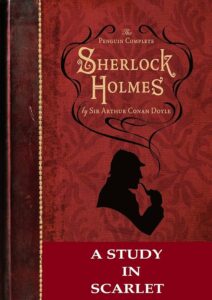
Of course, A Study in Scarlet is not a perfect novel. Some readers love its unusual structure, while others consider the second half too abrupt and disconnected from the detective story they expected. Even so, the book remains one of the most important entries in detective fiction and an essential experience for anyone interested in Sherlock Holmes.
In this article, we will explore what the novel is about, why it still works for modern readers, the controversial elements that divide opinions, and whether A Study in Scarlet truly deserves its legendary reputation.
What Is A Study in Scarlet About?
A Study in Scarlet begins with Dr. John Watson, a former military doctor returning to London after being wounded during the Second Anglo-Afghan War. Struggling financially and searching for a place to stay, Watson is introduced to an unusual man named Sherlock Holmes, a brilliant but eccentric individual with strange habits and an extraordinary talent for observation.
The two quickly become roommates at the now legendary 221B Baker Street, and Watson soon discovers that Holmes works as a “consulting detective,” helping solve cases that confuse both the police and ordinary investigators. Holmes possesses an almost unbelievable ability to notice tiny details others completely ignore, turning seemingly meaningless clues into astonishing deductions.
Not long after moving in together, Holmes and Watson become involved in a mysterious murder case that shocks London. A man is found dead inside an abandoned house with no visible injuries, no clear explanation for his death, and strange clues left behind at the crime scene. As Holmes investigates, the mystery becomes increasingly unsettling, filled with cryptic messages, hidden motives, and unanswered questions.
What immediately makes the novel stand out is its atmosphere. Conan Doyle creates a dark and suspenseful version of London filled with foggy streets, tense investigations, and a growing sense that something far larger is hiding beneath the surface of the case. Even though the book was published in 1887, the pacing often feels surprisingly modern, especially during the investigation scenes between Holmes, Watson, and the detectives from Scotland Yard.
Without revealing major spoilers, the story eventually expands far beyond a simple murder mystery. What begins as a detective novel slowly transforms into a tale of revenge, obsession, and tragedy, giving A Study in Scarlet a scale that many readers never expect when starting their first Sherlock Holmes story.
Why A Study in Scarlet Still Feels Unique Today
The First Appearance of Sherlock Holmes and Watson
One of the biggest reasons A Study in Scarlet remains so fascinating is the simple fact that this is where everything begins. Modern readers already know Sherlock Holmes as one of the most recognizable fictional characters ever created, but this novel allows you to witness the very first meeting between Holmes and Dr. Watson before they became literary legends.
Their dynamic is already incredibly entertaining from the start. Watson acts as the grounded and relatable observer, while Holmes immediately appears brilliant, eccentric, and unpredictable. Watching Watson slowly realize just how intelligent his new roommate truly is becomes one of the most enjoyable parts of the novel.
Many elements that would later define the Sherlock Holmes universe are introduced here for the first time:
- 221B Baker Street
- Holmes’ scientific approach to crime
- The partnership between Holmes and Watson
- The rivalry with Scotland Yard detectives
- The famous deductive reasoning techniques
For longtime mystery fans, reading A Study in Scarlet feels almost like witnessing the birth of modern detective fiction itself.
A Surprisingly Modern Detective Story
A common fear many readers have before starting classic literature is that the writing will feel slow, overly descriptive, or difficult to understand. Surprisingly, A Study in Scarlet avoids most of these problems. Arthur Conan Doyle’s writing style is direct, fast-paced, and remarkably accessible even for readers who rarely read older books.
The chapters are relatively short, the dialogue flows naturally, and the investigation moves quickly enough to keep the mystery engaging. Holmes’ deductions are especially entertaining because Conan Doyle presents them almost like magic tricks. Readers constantly find themselves wondering how Holmes reached conclusions that initially seem impossible.
This accessibility is one of the main reasons Sherlock Holmes stories continue attracting new generations of readers. Even people who normally avoid 19th-century novels often discover that A Study in Scarlet feels closer to a modern thriller than they expected.
The Dark and Atmospheric Mystery
Another reason the novel stands out is its atmosphere. The London sections of the story are filled with tension and mystery, creating an almost gothic tone at times. Empty houses, cryptic clues, nighttime investigations, and the constant feeling that danger is lurking beneath the surface give the novel a darker personality than many readers anticipate.
The murder itself is deeply unsettling because it initially seems impossible to explain. There are very few clues, almost no clear motive, and a growing sense that the crime is connected to something much larger than a simple act of violence.
This combination of suspense and psychological tension makes parts of A Study in Scarlet feel surprisingly close to modern crime fiction. Instead of relying only on intellectual puzzles, the novel also creates genuine emotional intensity and curiosity about the people involved in the mystery.
Holmes Feels More Human Here
Readers familiar only with movies or television adaptations are often surprised by how different Sherlock Holmes feels in this first novel. In many modern adaptations, Holmes is portrayed almost like an unstoppable genius who always dominates every situation with complete confidence.
In A Study in Scarlet, however, Holmes feels more experimental and human. He still possesses extraordinary intelligence, but he also comes across as curious, energetic, and occasionally eccentric in ways that feel more believable and charming.
Conan Doyle spends time showing Holmes explaining his methods, testing ideas, and interacting with Watson in a more relaxed and natural way. This version of the character feels less like a mythological genius and more like a brilliant but unusual person trying to prove the value of his methods to the world around him.
That humanity is part of what makes this early Holmes so enjoyable to read. Instead of feeling distant or cold, he remains fascinating because readers are still discovering him alongside Watson.
The Most Controversial Part of the Book
Why the Story Suddenly Changes Direction
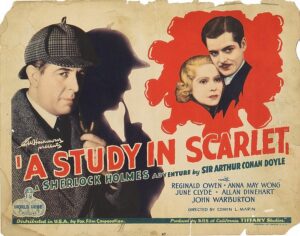
If there is one aspect of A Study in Scarlet that consistently divides readers, it is the dramatic shift that happens during the second half of the novel. Many first-time readers are shocked when the story suddenly leaves Victorian London behind and transitions into a completely different setting with new characters, a new atmosphere, and an entirely different style of storytelling.
Up until that point, the novel feels like a traditional detective mystery focused on Sherlock Holmes solving a bizarre murder case. Then, almost without warning, Conan Doyle pauses the investigation and begins telling a much larger backstory connected to the crime itself.
For some readers, this transition feels bold and fascinating. For others, it feels abrupt enough to almost resemble a different novel entirely.
Part of the reason this shift feels so unusual is because modern detective fiction rarely interrupts its central mystery for such a long narrative detour. Contemporary readers are generally accustomed to faster pacing and constant focus on the investigation itself, so the structural change in A Study in Scarlet can initially feel surprising.
However, the second half is also what gives the novel much of its emotional depth and tragic weight. Without it, the story would likely be remembered as a clever detective mystery. With it, the novel becomes something far more ambitious.
Why Some Readers Love This Section
Many readers defend the controversial second half because it transforms the novel from a simple crime story into a much larger narrative about revenge, suffering, obsession, and justice. Instead of presenting the murderer as a purely evil figure, Conan Doyle gives the reader insight into the painful events that led to the crime.
This added context creates emotional complexity that many detective novels of the era simply did not have. The story becomes more tragic, more personal, and far more memorable because readers begin to understand the motivations behind the violence.
- The backstory gives emotional weight to the murder mystery
- The antagonist becomes more sympathetic and human
- The revenge narrative creates strong dramatic tension
- The shift in setting makes the novel feel larger in scale
- The historical elements add uniqueness to the story
Some readers even consider this section the emotional core of the entire novel. Without it, Holmes would merely solve a puzzle. With it, the case becomes connected to themes of love, loss, fanaticism, and vengeance.
Why Some Readers Dislike It
Despite its strengths, the structural shift remains controversial for understandable reasons. Readers who become invested in the London investigation often feel frustrated when Holmes and Watson suddenly disappear from the narrative for an extended period of time.
The pacing also changes significantly. The fast-moving detective story slows down and becomes more focused on history, character backgrounds, and long-term storytelling. Readers expecting continuous mystery and deduction sometimes feel that the novel loses momentum during this portion.
- Sherlock Holmes temporarily disappears from the story
- The detective atmosphere changes completely
- The pacing becomes slower and more detailed
- The transition can feel abrupt for modern readers
- Some readers simply prefer the London investigation sections
Even among Sherlock Holmes fans, opinions about this section vary heavily. Some believe it is one of Conan Doyle’s boldest creative decisions, while others see it as the weakest structural element in the novel.
Interestingly, this controversy is also part of what keeps A Study in Scarlet so memorable. Very few detective novels from the period take storytelling risks this unusual, and even readers who dislike the transition often admit that the book remains difficult to forget because of it.
If You Love Sherlock Holmes, These Books Should Be Your Next Obsession
Finished reading about A Study in Scarlet and still craving more brilliant detectives, impossible mysteries, and atmospheric investigations? Then you should definitely explore our list of books that capture the same feeling that made Sherlock Holmes legendary.
From classic detective masterpieces to dark and intelligent mystery novels filled with deduction, suspense, and unforgettable investigators, these recommendations are perfect for readers who love the world of Sherlock Holmes but want new cases to dive into.
Some of them influenced detective fiction forever. Others reinvent the genre in fascinating ways. But all of them share the mystery, intelligence, and addictive investigative atmosphere that Sherlock fans can never get enough of.
Read our full list of 5 Books Like Sherlock Holmes here
Does A Study in Scarlet Hold Up for Modern Readers?
If You Enjoy Classic Mystery Stories
For readers who already enjoy classic detective fiction, A Study in Scarlet remains an easy recommendation. The novel contains many of the elements that would later define the mystery genre: an impossible-looking crime, cryptic clues, eccentric investigators, and a brilliant detective slowly revealing the truth piece by piece.
Even after more than a century, the investigation itself remains entertaining because Conan Doyle understood how to create suspense and curiosity. Holmes’ methods still feel satisfying to follow, especially as Watson attempts to understand deductions that initially appear impossible.
The novel also captures the atmosphere that many readers love in Victorian mysteries:
- Foggy London streets
- Mysterious crimes
- Secret pasts and hidden motives
- Dark moral conflicts
- Tense investigative scenes
Anyone interested in the roots of detective fiction will likely appreciate seeing where so many modern mystery conventions originated.
If You Only Know Modern Sherlock Adaptations
Readers familiar only with adaptations such as Sherlock, Elementary, or the Robert Downey Jr. films may initially be surprised by how different the original novel feels. Modern adaptations often emphasize action, rapid pacing, and Holmes’ almost superhuman intelligence, while A Study in Scarlet is slower, darker, and more atmospheric.
The original Holmes is certainly brilliant, but he is also calmer and more methodical than many contemporary versions of the character. The novel spends far more time building tension and exploring the mystery itself rather than focusing on explosive action scenes or constant dramatic confrontations.
At the same time, many readers discover that the book version of Holmes feels more authentic and even more interesting because of this restraint. His intelligence feels grounded in careful observation rather than exaggerated genius, which makes his deductions surprisingly believable despite how extraordinary they often seem.
Readers expecting nonstop action may find the novel slower than modern adaptations, but those willing to embrace its atmosphere and pacing often end up appreciating the original character far more deeply.
Is It a Good Introduction to Sherlock Holmes?
In many ways, A Study in Scarlet is an excellent starting point for readers interested in Sherlock Holmes because it introduces the core relationship between Holmes and Watson from the very beginning. Watching Watson slowly become fascinated by Holmes mirrors the experience many readers have when discovering the character for the first time.
The novel also establishes many recurring aspects of the series:
- Holmes’ deductive methods
- The role of Dr. Watson as narrator
- The investigative partnership
- The contrast between Holmes and Scotland Yard
- The intellectual pleasure of solving mysteries
However, some readers may not consider it the absolute best introduction because of the controversial second half. Certain Sherlock Holmes stories written later by Conan Doyle are more polished, shorter, and more focused entirely on mystery solving.
Even so, beginning with A Study in Scarlet offers something uniquely rewarding: the chance to experience the origin of one of literature’s greatest fictional partnerships exactly as readers did in the late 19th century.
For that reason alone, many fans believe the novel remains an essential read despite its imperfections.
What Makes A Study in Scarlet Historically Important?
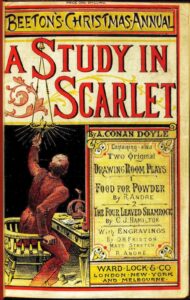
Even readers who do not consider A Study in Scarlet the best Sherlock Holmes story usually agree on one thing: the novel is enormously important to literary history. Arthur Conan Doyle did not simply create a successful detective character — he helped establish many of the foundations of modern crime fiction itself.
When the novel was first published in 1887, detective stories already existed, but Sherlock Holmes introduced a style of investigation that felt revolutionary at the time. Instead of solving crimes through coincidence or confession alone, Holmes relied on scientific observation, logic, chemistry, forensic details, and deductive reasoning.
This approach would later influence countless fictional detectives across books, films, television series, and video games.
- The novel introduced Sherlock Holmes to the world for the first time
- It established Dr. Watson as the iconic narrator and companion
- It helped popularize deductive reasoning in detective fiction
- It inspired future crime and mystery writers for generations
- It shaped many of the detective story conventions still used today
One of the most impressive aspects of the novel is how recognizable many of its ideas still feel. The brilliant detective solving impossible crimes, the loyal companion narrating the story, the rivalry with official police investigators, and the dramatic reveal of hidden clues have all become essential parts of detective fiction largely because of Sherlock Holmes.
The influence of A Study in Scarlet extends far beyond literature. Holmes eventually became one of the most adapted fictional characters in history, appearing in:
- Films
- Television series
- Radio dramas
- Video games
- Comics and graphic novels
- Anime and manga
- Modern reinterpretations around the world
Many famous fictional detectives owe something to Sherlock Holmes, whether directly or indirectly. Characters such as Hercule Poirot, Batman, Gregory House, and countless others inherited aspects of Holmes’ intelligence, observational abilities, or eccentric personality.
It is also remarkable that Conan Doyle wrote the novel relatively early in his career and reportedly completed it in only a few weeks. Despite this, the book introduced a literary character who would eventually become one of the most recognizable figures ever created.
More than a century later, readers continue returning to A Study in Scarlet not only because of its mystery, but because it represents the beginning of a cultural phenomenon that permanently changed detective fiction forever.
Who Was Arthur Conan Doyle?
Arthur Conan Doyle was a British writer and physician born on May 22, 1859, in Edinburgh, Scotland. Although he became world famous for creating Sherlock Holmes, Conan Doyle originally studied medicine and worked as a doctor before fully dedicating himself to literature.
Interestingly, the inspiration for Sherlock Holmes partially came from one of his university professors, Dr. Joseph Bell, who impressed students with his extraordinary ability to observe tiny details and draw accurate conclusions about patients simply by studying their appearance and behavior. Conan Doyle later transformed this talent into Holmes’ legendary deductive reasoning.

In 1887, Conan Doyle published A Study in Scarlet, introducing Sherlock Holmes and Dr. Watson to readers for the first time. While the novel was not an immediate worldwide sensation, the character quickly gained popularity through later short stories published in magazines, eventually turning Holmes into one of the most iconic fictional detectives in history.
Despite Holmes’ enormous success, Conan Doyle sometimes felt frustrated that the detective overshadowed the rest of his work. He considered many of his historical novels more serious and artistically important than the Sherlock Holmes stories that made him famous.
Beyond detective fiction, Conan Doyle also wrote:
- Historical novels
- Science fiction stories
- Adventure fiction
- Horror tales
- War writings
- Spiritual and supernatural works
Some of his other well-known books include:
- The Sign of Four
- The Hound of the Baskervilles
- The Lost World
- The White Company
- The Adventures of Sherlock Holmes
Conan Doyle’s influence on literature and popular culture remains enormous even today. Sherlock Holmes helped define the image of the “genius detective” that still appears constantly in modern fiction, and many investigative techniques associated with Holmes later became connected to real forensic science and criminal investigation.
Arthur Conan Doyle died on July 7, 1930, but his most famous creation continues to survive across generations. More than a hundred years after A Study in Scarlet first appeared, Sherlock Holmes remains one of the most recognizable literary characters ever created.
Final Verdict: Is A Study in Scarlet Good?
Yes — A Study in Scarlet is still a genuinely good book, especially for readers interested in classic mystery fiction, literary history, or the origins of Sherlock Holmes. While the novel is not flawless, its strengths easily explain why it continues to be discussed and recommended more than a century after its publication.
The book succeeds because it offers far more than historical curiosity. Arthur Conan Doyle creates an engaging mystery, introduces one of literature’s greatest fictional partnerships, and builds an atmosphere that still feels tense and compelling today. Holmes’ deductive methods remain entertaining to follow, and the chemistry between Holmes and Watson immediately gives the story personality and charm.
At the same time, the novel’s unusual structure is impossible to ignore. The dramatic shift in the second half will either fascinate readers or temporarily pull them out of the detective story they expected. For some, this section gives the novel emotional depth and tragic power. For others, it slows the pacing too much and interrupts the momentum of the investigation.
Even so, that ambitious storytelling choice is also part of what makes A Study in Scarlet memorable. Conan Doyle was willing to experiment in ways many detective novels never attempt, combining mystery, revenge drama, historical storytelling, and psychological tension into a single narrative.
The novel is especially recommended for readers who enjoy:
- Classic detective fiction
- Victorian literature
- Dark atmospheric mysteries
- Character-driven investigations
- The history of crime fiction
- Stories with strong revenge themes
Readers expecting a fast-paced modern thriller may occasionally find the book slower than contemporary Sherlock Holmes adaptations. However, those willing to embrace its older style and unique structure will likely discover why Holmes became such a legendary literary figure in the first place.
More importantly, A Study in Scarlet allows readers to experience the beginning of Sherlock Holmes and Dr. Watson’s journey exactly where it all started. That alone gives the novel a special feeling that later stories, no matter how polished, can never fully replicate.
For modern readers, the novel may not be perfect — but it absolutely remains worth reading.

Leave a Reply