
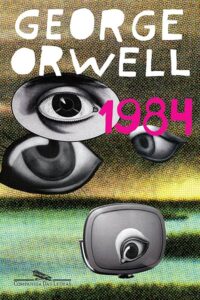
Few novels have left a cultural impact as powerful as 1984 by George Orwell. Decades after its release, the book still feels unsettlingly relevant, with its themes of surveillance, censorship, propaganda, and authoritarian control continuing to resonate with modern readers.
What makes 1984 so unforgettable is not just its dystopian setting, but the psychological fear behind it. Orwell created a world where truth itself can be manipulated, individuality is treated as a crime, and even private thoughts are no longer safe.
If you finished the novel wanting more stories that explore oppressive governments, social manipulation, and disturbing visions of the future, there are several incredible books that capture a similar atmosphere. Some inspired Orwell directly, while others took dystopian fiction into bold new directions.
Here are five unforgettable books like 1984 that every fan of dark dystopian fiction should read.
1. Brave New World by Aldous Huxley
What Is the Book About?
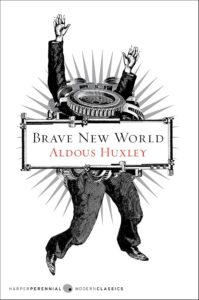
Published in 1932, Brave New World by Aldous Huxley presents a futuristic society where people are genetically engineered and psychologically conditioned from birth to fit perfectly into a rigid social system. Citizens are kept obedient through pleasure, entertainment, consumerism, and a drug called soma, which eliminates pain and emotional discomfort.
Unlike the brutal dictatorship of 1984, Huxley’s world rarely relies on fear or violence. Instead, society willingly accepts its own oppression because comfort and distraction have replaced freedom and individuality.
Why You Should Read It
If 1984 terrified readers with a world ruled by fear and surveillance, Brave New World is disturbing because of how easily people surrender their freedom voluntarily. That contrast is exactly what makes this novel so fascinating.
One of the greatest strengths of the book is how modern it feels. Huxley predicted a society obsessed with entertainment, instant gratification, shallow consumption, and emotional escapism. Many readers even argue that today’s world resembles Brave New World more than Orwell’s vision.
The novel also explores powerful philosophical questions about happiness, free will, and the cost of social stability. Is a society truly peaceful if individuality and genuine human emotion no longer exist? Huxley constantly forces the reader to confront uncomfortable ideas like these.
Fans of 1984 will especially appreciate how both novels examine different forms of control. Orwell imagined governments using pain and terror to dominate society, while Huxley imagined people becoming passive through pleasure and distraction. Together, the two books almost feel like opposite sides of the same dystopian nightmare.
For anyone interested in classic dystopian fiction, political literature, or psychological social commentary, Brave New World is absolutely essential reading.
2. Fahrenheit 451 by Ray Bradbury
What Is the Book About?
Fahrenheit 451 takes place in a future society where books are outlawed and “firemen” are responsible for burning them. The story follows Guy Montag, a fireman who begins questioning the system he serves after realizing how deeply censorship and mindless entertainment have damaged society.
As Montag slowly awakens to the emptiness around him, he discovers a world where independent thought is treated as dangerous and genuine human connection has almost disappeared.

Why You Should Read It
Few books capture the same oppressive atmosphere and paranoia of 1984 as effectively as Fahrenheit 451. Ray Bradbury explores how governments can control populations not only through force, but also by destroying curiosity, critical thinking, and intellectual freedom.
One of the most disturbing aspects of the novel is how willingly society embraces its own ignorance. People become addicted to massive television screens, shallow entertainment, and constant distraction, abandoning books and meaningful conversations in the process. This makes the story feel shockingly relevant even decades after its release.
Readers who loved the themes of propaganda and manipulation in 1984 will find many similarities here. Both novels portray societies where information is carefully controlled, uncomfortable truths are suppressed, and individuals are discouraged from thinking independently.
Bradbury’s writing also creates a haunting emotional atmosphere. Beneath the dystopian setting lies a powerful warning about loneliness, conformity, and the dangers of allowing technology and entertainment to replace genuine thought.
More than just a story about banned books, Fahrenheit 451 is a timeless reflection on censorship, media influence, and the fragile relationship between freedom and knowledge.
3. We by Yevgeny Zamyatin
What Is the Book About?
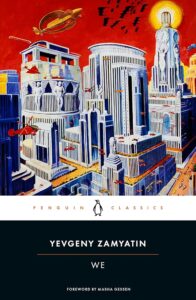
Originally published in 1924, We by Yevgeny Zamyatin is considered one of the earliest and most influential dystopian novels ever written. The story takes place in the “One State,” a totalitarian society where citizens are identified by numbers instead of names and live under constant surveillance.
Individuality, imagination, and emotional freedom are viewed as threats to social order. Every aspect of life is carefully controlled by the government, including relationships, daily routines, and even personal thoughts.
Why You Should Read It
For fans of 1984, this book is especially fascinating because it directly influenced George Orwell’s masterpiece. Many ideas that readers associate with Orwell — surveillance, loss of individuality, state control over private life, and psychological oppression — already existed inside We.
The atmosphere of the novel feels cold, mechanical, and deeply unsettling. Zamyatin creates a society where human beings are treated almost like components inside a machine, stripped of emotion and personal identity in the name of stability and perfection.
One of the most compelling aspects of the book is its psychological tension. As the protagonist slowly begins questioning the rigid system around him, the story transforms into a powerful exploration of freedom, desire, and rebellion against conformity.
Modern readers may also be surprised by how advanced the novel feels for its time. Even though it was written decades before 1984, many of its themes remain frighteningly relevant today, especially discussions about surveillance and the suppression of individuality.
Beyond its historical importance, We remains an incredibly powerful dystopian novel on its own — intelligent, disturbing, and essential for anyone interested in the origins of dystopian fiction.
Looking for More Dark and Philosophical Reads?
If you enjoy disturbing psychological stories, existential themes, and emotionally intense novels, don’t miss our list of 5 Books Like The Stranger. From absurdist classics to deeply introspective fiction, these books capture the same unsettling atmosphere that made Albert Camus’ masterpiece so unforgettable.
4. The Handmaid’s Tale by Margaret Atwood
What Is the Book About?
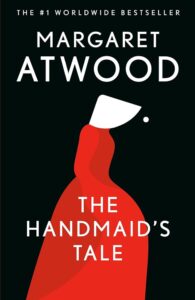
The Handmaid’s Tale by Margaret Atwood takes place in the Republic of Gilead, a brutal theocratic regime that rises after the collapse of the United States government. In this society, women lose nearly all their rights and are forced into rigid social roles controlled by religion and authoritarian power.
The story follows Offred, a woman assigned to serve as a “Handmaid,” whose sole purpose is reproduction in a world obsessed with control, obedience, and surveillance.
Why You Should Read It
Like 1984, this novel creates a constant feeling of fear, oppression, and psychological tension. Citizens are monitored, individuality is suppressed, and language itself becomes a tool of control. Every conversation, action, and relationship carries the threat of punishment.
What makes The Handmaid’s Tale especially powerful is how realistic its dystopia feels. Margaret Atwood famously based many aspects of Gilead on real historical events and political systems, which makes the novel even more disturbing.
Fans of Orwell’s work will appreciate how both books explore the destruction of personal freedom under authoritarian rule. However, Atwood focuses heavily on gender, religion, and social hierarchy, adding another deeply unsettling layer to the dystopian experience.
The novel is also emotionally intense in a very different way from 1984. While Orwell’s story often feels cold and hopeless, Atwood’s writing places enormous emphasis on memory, identity, and the emotional cost of surviving inside a totalitarian society.
Thanks to its powerful themes and frightening relevance to modern political discussions, The Handmaid’s Tale has become one of the most influential dystopian novels of the modern era.
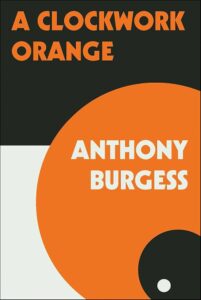
5. A Clockwork Orange by Anthony Burgess
What Is the Book About?
A Clockwork Orange follows Alex, a violent and charismatic teenager living in a disturbing futuristic society filled with crime, chaos, and social decay. After being arrested, Alex becomes the subject of an experimental government program designed to eliminate criminal behavior through psychological conditioning.
As the State attempts to control his mind and remove his capacity for violence, the novel raises unsettling questions about morality, freedom, and the true meaning of humanity.
Why You Should Read It
Although very different in tone from 1984, this novel explores many of the same fears surrounding authoritarian control and psychological manipulation. Both books ask terrifying questions about what happens when governments gain the power to shape human behavior itself.
One of the most fascinating aspects of A Clockwork Orange is its exploration of free will. Anthony Burgess challenges the reader with a disturbing moral dilemma: is a person truly good if they are biologically or psychologically forced to behave correctly?
The novel’s atmosphere is also deeply unsettling. Violence, social instability, and political control combine to create a world that feels chaotic yet strangely believable. Beneath the disturbing imagery lies a powerful critique of authoritarian systems that value obedience more than humanity.
Readers who enjoyed the psychological darkness of 1984 will appreciate how this story focuses less on surveillance and more on the manipulation of the human mind itself. The result is a dystopian novel that feels intensely personal and emotionally uncomfortable.
Combined with its cultural influence, unique writing style, and philosophical depth, A Clockwork Orange remains one of the most important and unforgettable dystopian novels ever written.
Why Dystopian Books Like 1984 Still Matter
Decades after their release, dystopian novels like 1984 continue to attract millions of readers around the world. Part of their enduring popularity comes from how frighteningly relevant their themes still feel today. Surveillance, misinformation, censorship, propaganda, and political polarization are no longer concepts limited to fiction — they have become part of everyday discussions in modern society.
What makes these books so powerful is their ability to exaggerate real fears and transform them into unforgettable stories. Whether through brutal dictatorships, media manipulation, psychological conditioning, or the destruction of individuality, dystopian fiction forces readers to confront uncomfortable questions about freedom, truth, and human nature.
Each novel on this list explores these fears differently. Brave New World warns about societies controlled through pleasure and distraction, while Fahrenheit 451 focuses on censorship and intellectual decline. We examines the loss of individuality inside a perfectly controlled state, The Handmaid’s Tale explores authoritarianism through religion and social hierarchy, and A Clockwork Orange questions whether morality can exist without free will.
Together, these books show why dystopian literature remains one of the most thought-provoking genres in fiction. They are not just stories about imaginary futures — they are warnings about the dangers that can emerge when governments, technology, or society itself gain too much control over human life.
If you loved the disturbing atmosphere and psychological tension of 1984, these novels will give you even more unsettling worlds to explore.

Leave a Reply